Overactive Bladder (OAB)
Overactive Bladder (OAB)
What is Overactive Bladder (OAB)?
Overactive bladder (OAB) is the name for a group of urinary symptoms. It is not a disease. The most common symptom is a sudden, uncontrolled need or urge to urinate. Some people will leak urine when they feel this urge. Another symptom is the need to pass urine many times during the day and night. OAB is basically the feeling that you’ve “gotta’ go” to the bathroom urgently and too much.
Leaking urine is called “incontinence”. Stress urinary incontinence (SUI), is another common bladder problem. It’s different from OAB. People with SUI leak urine while sneezing, laughing or doing other physical activities. More information on SUI can be found at www.urologyhealth.org/SUI/.

Key Statistics
As many as 30 percent of men and 40 percent of women in the United States live with OAB symptoms. Many people living with OAB don’t ask for help. They may feel embarrassed. Many people either don’t know how to talk with their health care provider about their symptoms, or they think there aren’t treatments that can help.
The truth is there are many treatments that can help. Asking your health care provider about it is the first step.
How OAB Can Affect Your Life
OAB can get in the way of your work, social life, exercise and sleep. Without treatment, OAB symptoms can make it hard to get through the day without many trips to the bathroom. You may not want to go out with friends or go far from home because you’re afraid of being far from a bathroom. This makes many people feel lonely and isolated.
OAB may affect relationships with friends and family. It can disrupt your sleep and sex-life. Too little sleep will leave anyone tired and depressed. In addition, if you leak urine, you may develop skin problems or infections.
You don’t have to let OAB rule your life. OAB can be controlled. If you think you have OAB, see your health care provider.

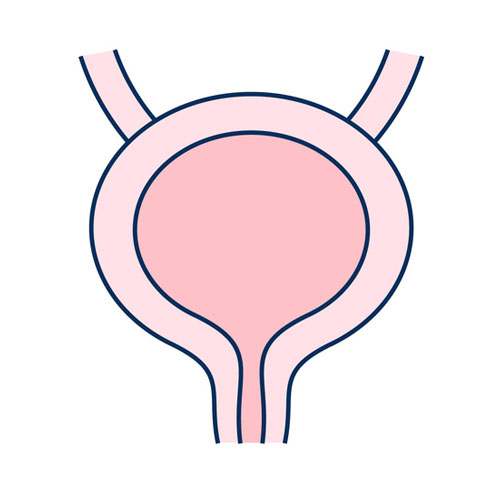 Normal Bladder
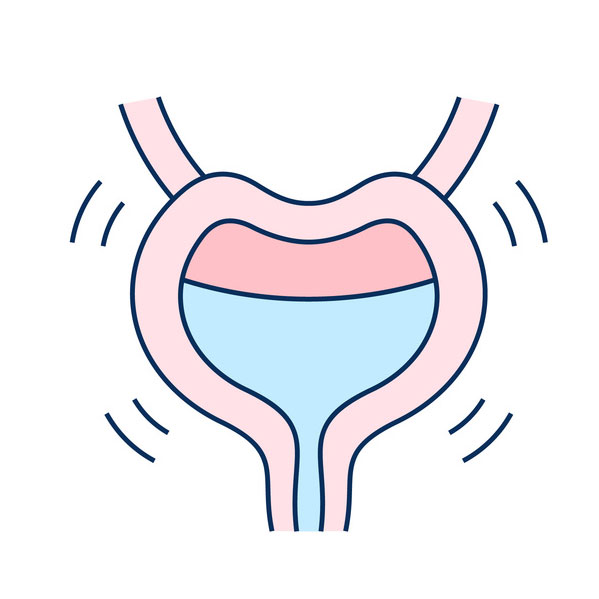 Overactive Bladder
Advanced Therapies
Sacral Nerve Stimulation (SNS)
Sacral Nerve Stimulation (SNS) has been used as a therapy for overactive bladder symptoms for over 25 years, and has helped more than 350,000 patients worldwide. Life events can disrupt the body’s communication between the pelvic floor and the control center in the brain causing OAB, Retention and/or Fecal Incontinence symptoms. SNS is the only treatment that helps both OAB and Fecal Incontinence with one therapy.
SNS begins with a simple test to see if the therapy helps the patient. The patient tests the therapy for 3-14 days to see if their bladder and/or bowel symptoms improve by 50% or greater. The therapy uses a gentle stimulation to the nerves in the pelvic floor to improve communication between the pelvic floor and the brain. The expected result with this improved communication is a decrease in urinary leakage, urinary urgency/frequency, improvement with the ability to urinate, and/or a decrease in leakage of stool. With a simple, evaluation patients can trial the therapy prior to moving on to placing a small device under the skin. The device is MRI eligible and is compatible for use in patients with other implanted devices.
Read more about SNS Therapies:
Percutaneous Tibial Nerve Stimulation (PTNS)
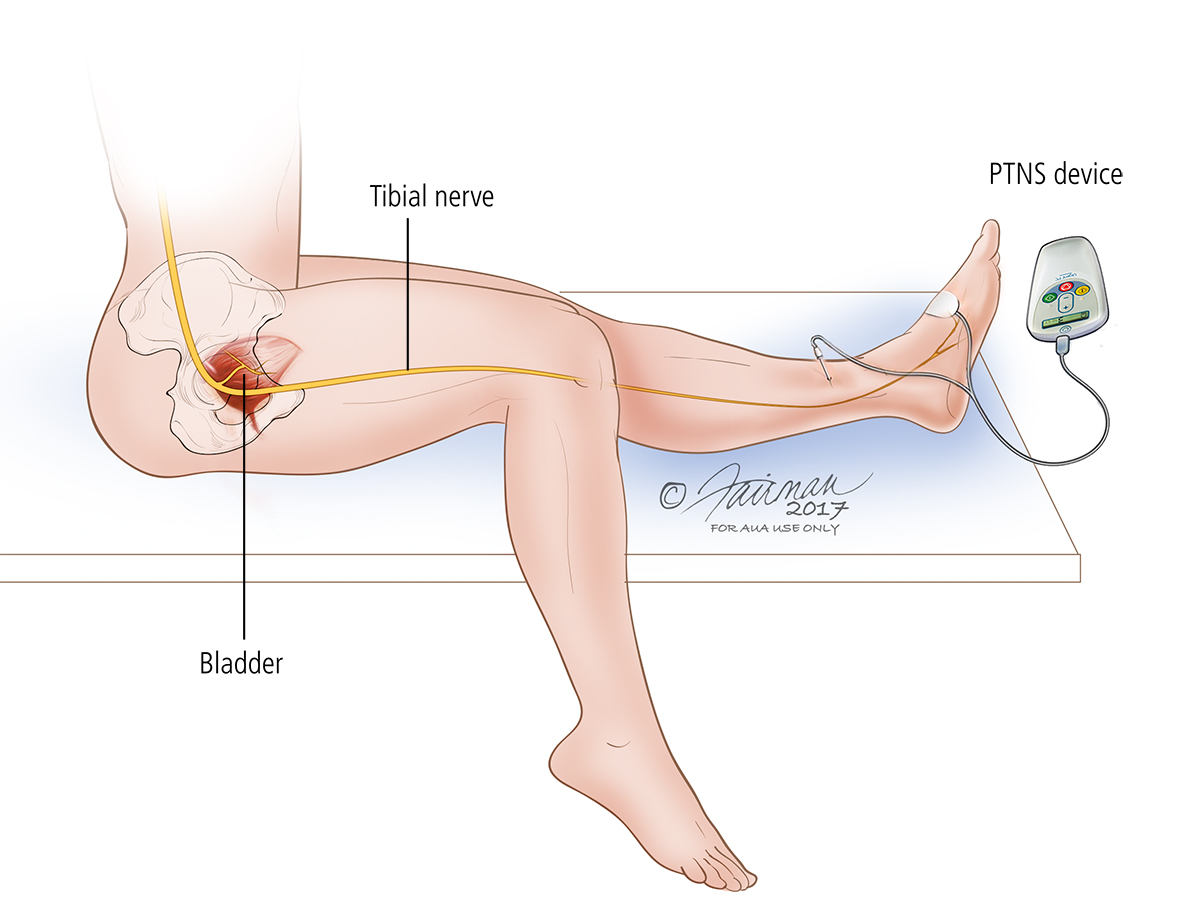
PTNS is a minimally invasive and a drug-free option that modifies signals from the posterior tibial nerve to help stabilize bladder function and allow patients to regain bladder control. The sacral nerves are connected to the bladder and extend down the leg to the tibial nerve near the ankle.
This procedure involves placing a thin, non-painful needle electrode into this nerve. PTNS is given once a week for 6 consecutive sessions. Given a 50% improvement in symptoms, patients can continue for another 6 weeks. Following completion of their 12-week session, patients are able to continue on a once-a-month treatment for up to 2 years. Inplantable tibial nerve stimulators are also available. Patients who currently have a defibrillator or pacemaker are unable to participate in this treatment.